EU Defence Funding for Drones: SAFE, EDF and EDIP Explained
European defence money for drones now flows through four channels: SAFE loans to member states, European Defence Fund grants to research consortia, EDIP funding for joint procurement, and border-management funds for surveillance drones. All four favour equipment made in Europe, and SAFE and EDIP write it into a rule: at least 65% of the cost of components must come from the EU, the EEA-EFTA states or Ukraine. For a ministry, an agency or a prime choosing a small ISR drone, where the aircraft is made is now part of how it gets paid for.
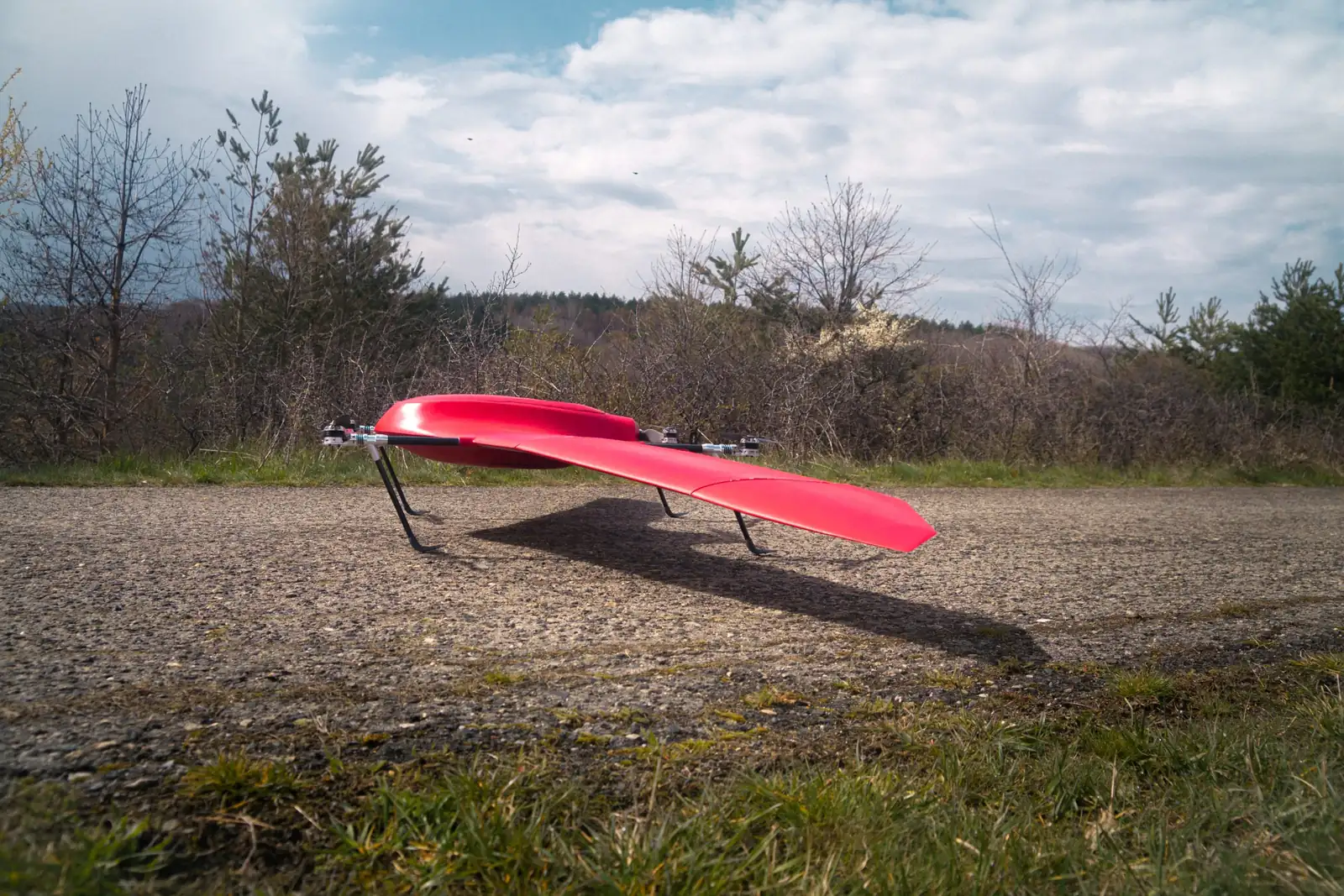
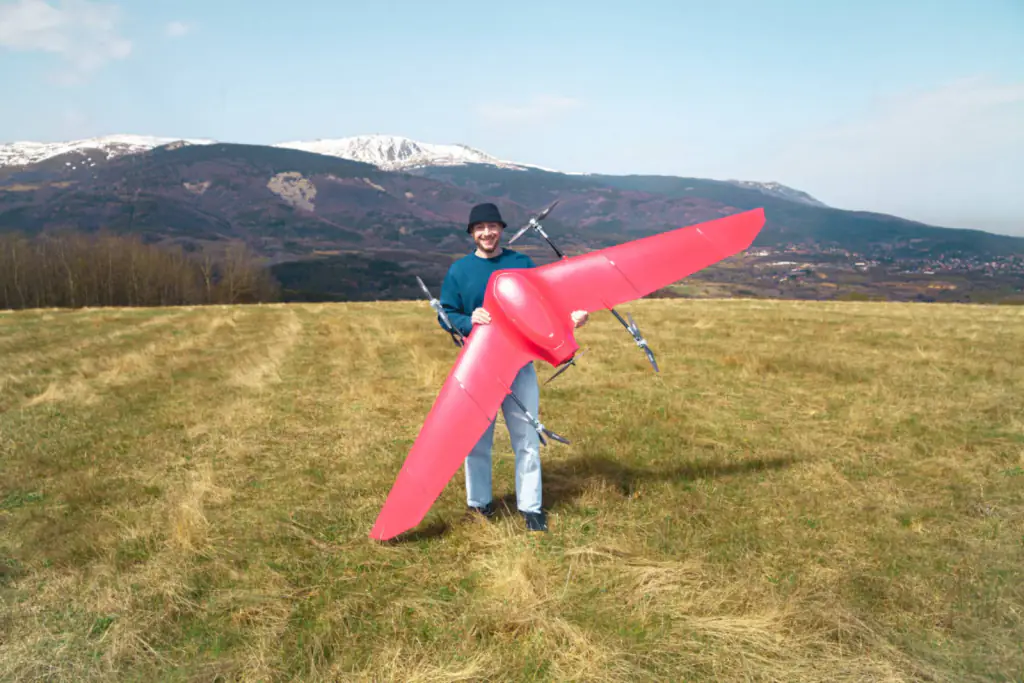
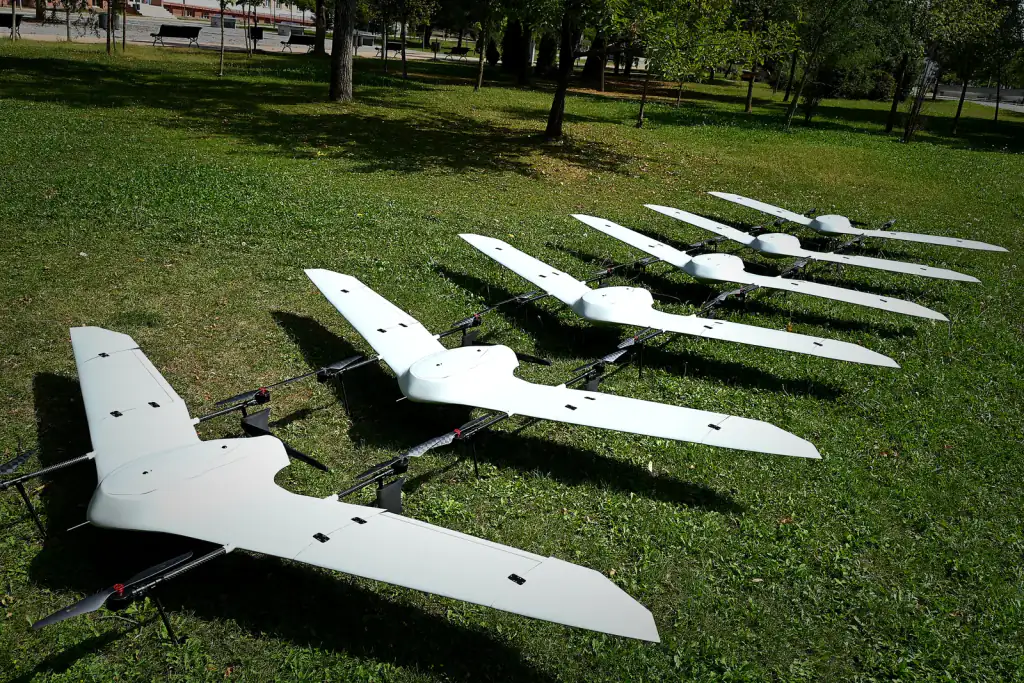
This guide explains each instrument in plain terms, who can use it, and what it means when the aircraft on the shortlist is Nimbus Recon, designed and built in Bulgaria, an EU and NATO member state.
What SAFE is and how it funds drones
SAFE, the Security Action for Europe, is a loan instrument of up to €150 billion, adopted on 27 May 2025 as Regulation (EU) 2025/1106. Loans run for up to 45 years with a 10-year grace period, and 15% can be paid in advance (Euronews). Nineteen member states applied, the Council approved 18 national plans between February and April 2026, and the money is available until 31 December 2030 (European Commission).
The SAFE 65% rule and Category 1 for small drones
To be funded under SAFE, at least 65% of the cost of a product's components must come from the EU, the EEA-EFTA states or Ukraine, which caps third-country content at 35%. Contractors must be established, with their executive management, in the same group of countries (European Commission).
The regulation sorts products into categories. According to the EU's official summary of the regulation, small drones of NATO Class 1 and related anti-drone systems sit in Category 1, where the component-cost rule is the origin test. Larger Class 2 and Class 3 drones fall in Category 2, which adds a test of who holds design authority. At a maximum take-off weight of 13 kg, Nimbus Recon is a small Class 1 aircraft.
The 65% test applies to the cost of components in the configuration being bought, so the sensor and communications fit counts as well as the airframe. Settle the configuration early, and ask every supplier for the origin of its components at the same stage.
Common procurement: who can join, including Canada
SAFE common procurement needs at least two countries, at least one of them a SAFE borrower. Ukraine, the EEA-EFTA states, candidate countries and countries with a Security and Defence Partnership with the EU can join. The window for single-state purchases closed on 30 May 2026, which leaves joint purchases as the route for the rest of the programme (European Commission).
Canada became the first non-European participant when the Council approved its participation agreement on 15 June 2026 (Militär Aktuell). For Canadian buyers and primes, that opens joint purchases with European partners under the same origin rule.
The European Defence Fund: consortia and SMEs
The EDF funds collaborative defence research and development. Its 2026 work programme, adopted on 17 December 2025, is worth about €1 billion across 31 topics, including a €30 million technological challenge on AI-based tactical situational awareness with swarms of small robots and drones (Civitta).
EDF projects are run by consortia of at least three entities from three member or associated states. SMEs take part as consortium members, and the Commission has been testing faster, two-step calls (EU Perspectives). For a prime building a consortium, a European aircraft with an open flight stack is a platform the research can be built on and later bought.
EDIP: joint procurement with the same origin rule
The European Defence Industry Programme, Regulation (EU) 2025/2643, was adopted on 8 December 2025. It carries €1.5 billion for 2025 to 2027, including a €300 million Ukraine Support Instrument. It supports joint procurement by at least three states and applies the same 65% component-cost threshold for the EU, the EEA and Ukraine (CMS). For a supplier, the practical difference from SAFE is the size of the buying group: EDIP needs three states where SAFE common procurement needs two.
Drone Defence Initiative, Eastern Flank Watch and border funds
The European Drone Defence Initiative and Eastern Flank Watch are flagship projects of the Commission's Readiness Roadmap 2030, with initial capability due by the end of 2026 and full capability by the end of 2027. The Commission's Action Plan on drone and counter-drone security followed on 11 February 2026.
Border budgets are moving too. On 1 October 2026 the Commission added €130 million from the border-management fund for member states' counter-drone capability. With €250 million in December 2025 and €169 million in 2026 for surveillance drones for Frontex and member states, that is more than €500 million in total (European Commission).
What this means when you choose an ISR drone
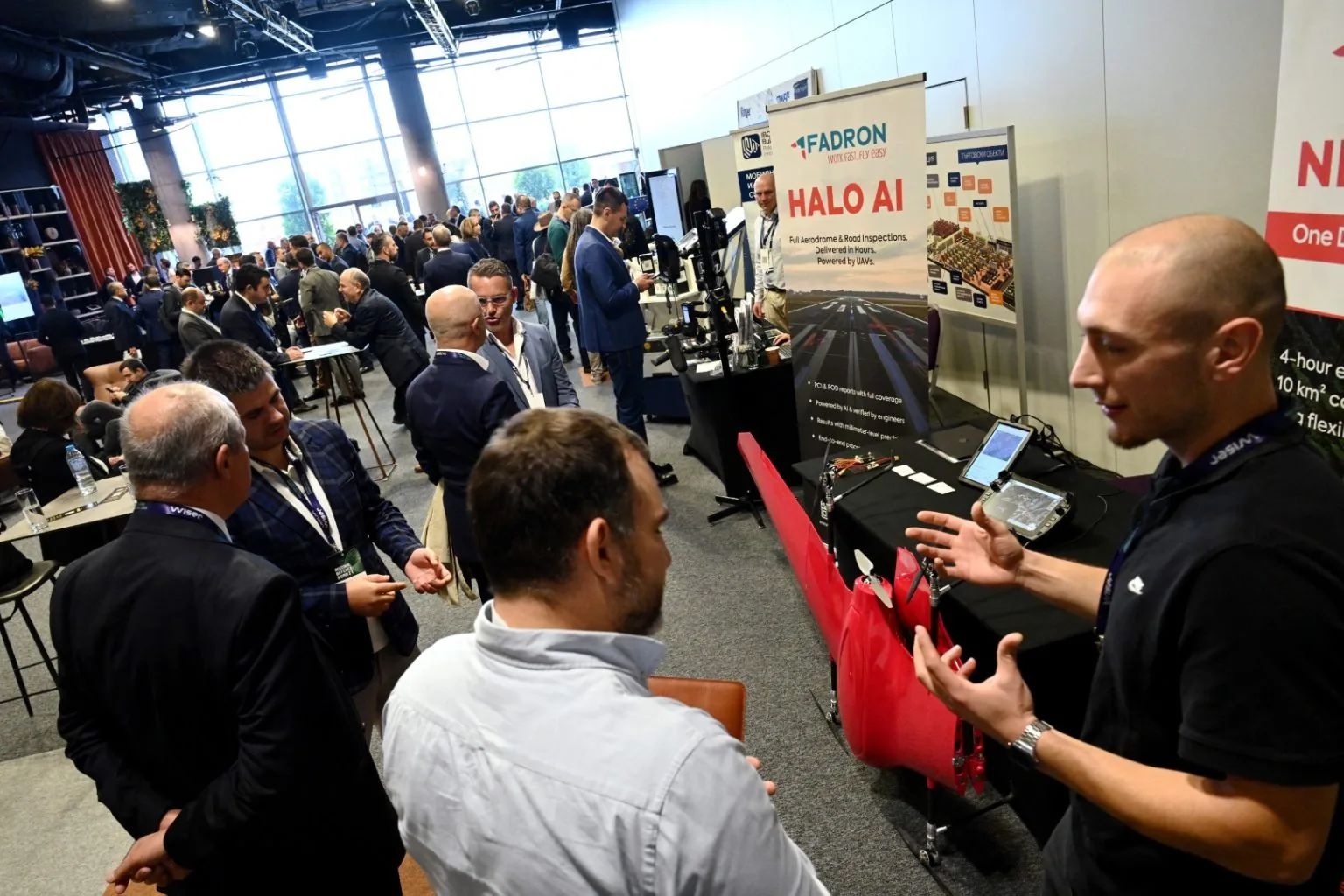
Each instrument rewards the same things: European origin, a supplier that can deliver inside the programme's timeline, and equipment allies can operate together. Nimbus Recon is built for that brief.
- European origin. Nimbus is designed and manufactured in Bulgaria and is in serial production in Sofia. Fadron complies with EU dual-use export controls.
- Delivery inside the timeline. Lead time is 10 weeks, which fits programmes working to the end-2026 and end-2027 capability dates.
- An open stack. The flight stack is PX4, MAVLink and QGroundControl, so integrators and primes work with the aircraft through standard interfaces.
- Allied interoperability. Nimbus Recon is available in an NDAA-compliant configuration and publishes Cursor-on-Target to TAK (TAK integration).
- Contested airspace. GNSS-denied navigation, day and night, and encrypted command links over radio, mesh, cellular and satellite (NDAA, GNSS-denied navigation and encrypted C2).
- Hard terrain. Operations at 4,000 m above sea level with propellers adapted for altitude (high-altitude and cold-weather ISR).
When the purchase is funded, three documents carry most of the weight in the file: the component origin of the exact configuration, the contractor's establishment and management, and a delivery schedule that lands inside the instrument's deadline. Ask for all three at the shortlist stage, from every supplier, so the comparison is made on the same terms.
Questions buyers ask
Is a small drone eligible for SAFE funding?
Small drones of NATO Class 1 sit in SAFE's Category 1, where at least 65% of the cost of components must come from the EU, the EEA-EFTA states or Ukraine. The test applies to the configuration being bought.
Can Canada buy drones through SAFE?
Yes. The Council approved Canada's participation agreement on 15 June 2026, and Canada can join common procurement with European partners.
Does the European Defence Fund pay for procurement?
The EDF funds collaborative research and development by consortia. Procurement funding comes through SAFE loans, EDIP joint procurement and, for border surveillance, the border-management fund.
How quickly can Nimbus Recon be delivered?
Lead time is 10 weeks.
Where is Nimbus made?
Nimbus is designed and manufactured in Bulgaria, an EU and NATO member state, in serial production in Sofia.
See it fly
Request the data sheet or a demonstration flight on your own site through the defence page, or see the aircraft on the Nimbus page.