Safety Protocols and Best Practices for Operating UAVs in Sensitive Areas
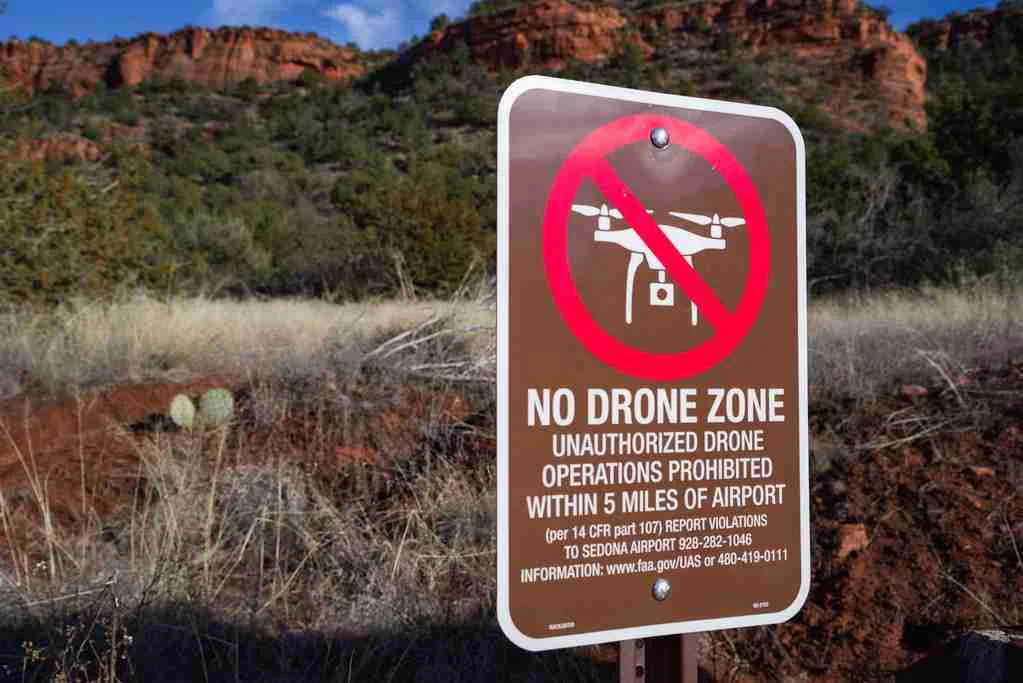
When it comes to operating UAVs, there’s no telling where a project will take you. Sometimes, a project will be in sensitive areas where you must take extra care of yourself, your team, the people and property in the area, and the environment. What do you do in such situations? Read on for some of the best protocols and practices for operating UAVs in sensitive areas.
But first, let’s list examples of sensitive areas you should watch out for.
Examples of Sensitive Areas
1. Airports and Airfields
2. Military Bases and Restricted Zones
3. Urban Areas and City Centers
4. Critical Infrastructure
5. Natural Reserves and Wildlife Sanctuaries
6. Emergency Response Scenes
7. Historical and Cultural Sites
8. Schools and Hospitals
9. Government Buildings and Diplomatic Areas
10. Prisons and Correctional Facilities
11. Large Public Events
12. Private Properties
Regulatory Compliance
UAS operations are highly regulated in most regions and more so in sensitive areas. Therefore, a few days before the project, make sure you are aware of the federal and state regulations regarding unmanned aircraft, be mindful of any permissions and certifications you need for such a project, and apply for them.
For instance, it is illegal to conduct surveillance or aerial photography of people’s property without their consent. So, if your project involves this, communicate with local law enforcement and the Civil Aviation body about what should be done. Also, make sure you are aware of any no-fly zones, such as military bases or restricted airspaces, in the area.
Community Engagement
Besides the laws governing drone use, you should also pay attention to the local community and how they feel about UAV operations. Before starting your project, meet with their leaders and representatives, inform them what your drone project will involve, and address any concerns they may have.
Pre-Flight Checklist
Pre-flight checklists are important for any aviation project, but you will need them more than ever when operating in sensitive areas. With so many things to observe, and since sometimes you may be operating in hard-to-reach areas, it would be frustrating to realize you left some items at your office or at home.
In your pre-flight preparation, you should conduct a risk assessment to identify hazards and how to avoid them. Secondly, plan your flight patch while paying attention to the weather, topography of the area, and no-fly zones so you don’t fly into them. Lastly, list all the equipment you will need, ensure they are working as expected, and pack them safely.
Operational Safety
When conducting the project, make sure you maintain operational safety. Make sure to operate within visual line of sight. And if you need to perform extended or beyond visual line of sight, ensure you get the necessary approvals, spotters, and anything else the law requires. Also, pay attention to the altitude limits and distance from the home point limits, and in the case of no-fly zones, make sure to stay away from them. If your drone can detect no-fly zones, ensure the system works. Also, maintain situational awareness in case of low-flying aircraft, birds, topography changes, or any other situations that may arise.
Training and Certification
When preparing for the operations, identify any skills or certifications you and your team will need and get them. For instance, when operating in an area with several manned aircraft or close to an airfield, the drone pilots and observers must be certified in radio telephony to communicate with the control tower adequately. It’s also good to refine each one’s skills to ensure they can comfortably operate the aircraft in different scenarios.
Emergency Procedures
In UAS operations, emergencies are inevitable. As mentioned earlier, manned aircraft may appear, predatory birds may appear, and uneven topography may occur. In other cases, the drone may malfunction when in flight, fly away, or even crash. Whichever the case, ensure you and your team are prepared for emergencies and know what to do in such situations using the drone’s in-built systems or other external fail-safe mechanisms.
Privacy and Ethical Concerns
If your project involves photogrammetry, surveillance, or any other data collection, make sure you are maintaining the privacy of people who are not involved in the project but whose property may be captured in the feed. But if data is captured unintentionally or intentionally to adequately map the subject area, make sure they are informed, and make sure you handle the data collected carefully.
Post-Flight Protocols
Once you finish the project, check your aircraft and equipment to ensure nothing is damaged. Secondly, check the data collected and make sure it’s sufficient. It’s also essential to record a flight log of this operation for future reference.
Conclusion
And there you have it. If you are operating a drone in any of the sensitive areas mentioned, these protocols and best practices will help keep the airspace, your team, the community and stakeholders, and the environment safe.