The Real Cost of a Lane Closure: Why Infrastructure Owners Are Switching to Drone Inspection
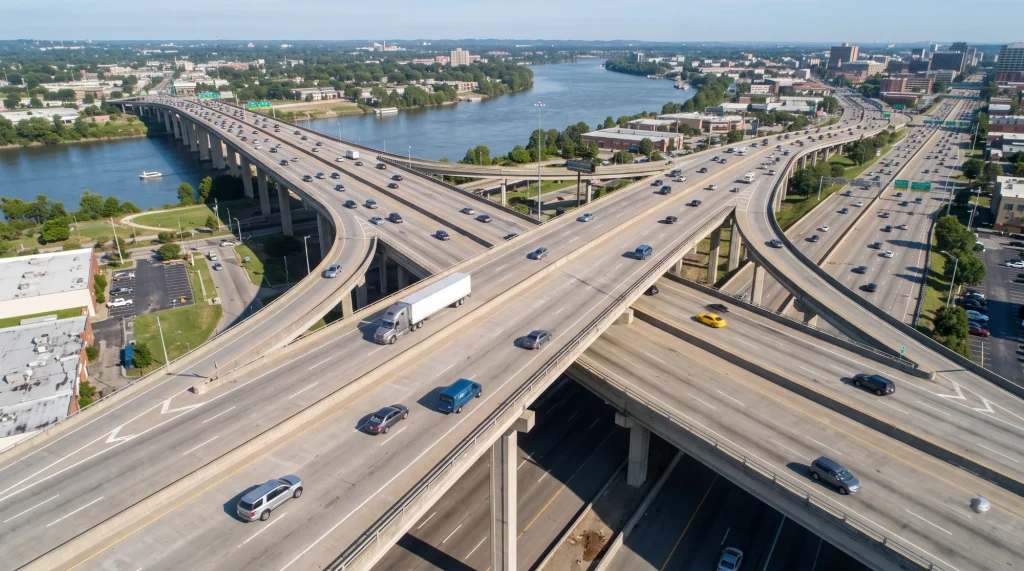
A lane closure looks straightforward on paper. Close the road, send in the inspection crew, reopen when the work is done. The direct costs are visible and budgetable: traffic control equipment, personnel, permits, and the inspection crew itself. What doesn’t appear on that line item is everything else – the delay costs absorbed by freight operators who missed delivery windows, the productivity lost by commuters diverted through unfamiliar routes, the fuel burned by vehicles idling in queues that stretch back further than the traffic management plan anticipated, and the reputational cost to the agency that closed the road when the public expected it to stay open.
When infrastructure owners start counting all of it, the economics of traditional inspection methods look very different from the budget figures suggest. And that fuller accounting is one of the main reasons drone inspection is moving from a useful supplement to a genuine replacement for lane-closure-dependent methods across bridge, road, and transport infrastructure programs.
What a lane closure actually costs
The direct cost of a lane closure on a typical bridge inspection is well documented. Traffic control setup and takedown, escort vehicles, signage, flagging personnel, and the permits required to close public road space are all incurred before a single inspector has looked at anything. On interstate structures or high-traffic urban corridors that cost climbs significantly – nighttime closures, which are increasingly required to minimize disruption on high-volume routes, attract premium labor rates that can double the traffic control budget alone.
Those are the costs that appear in inspection program budgets. The costs that don’t are larger.
The ripple effect of a lane closure on a major freight corridor extends well beyond the vehicles directly delayed. A queue that backs up three kilometers on an interstate affects not just the drivers in it but the logistics networks, delivery schedules, and inventory systems that depend on predictable travel times. For a four-hour inspection closure on a busy route, that external cost is carried by freight operators and commuters rather than by the infrastructure owner’s budget, which is why it rarely enters the comparison at all.
Where snooper trucks and bucket trucks add their own cost layer
The equipment traditionally used to access bridge undersides and elevated structural elements carries its own cost structure that compounds the lane closure problem. A snooper truck, the under-bridge inspection vehicle that provides access to girder undersides and bearing seats, is a specialist hire with its own day rate, requires trained operators, and can only access certain structural geometries – piers over water, skewed structures, and bridges with complex underside configurations often require additional rigging or rope access that adds further cost and time.
The combined effect is that a traditional bridge inspection involving snooper truck access, lane closures, and a multi-person crew frequently consumes most of a working day once setup and takedown are counted. For a transport authority managing hundreds of structures across a network, those figures accumulate into inspection program budgets that consume a disproportionate share of the available maintenance spend before any actual maintenance work begins.
What the drone alternative actually costs
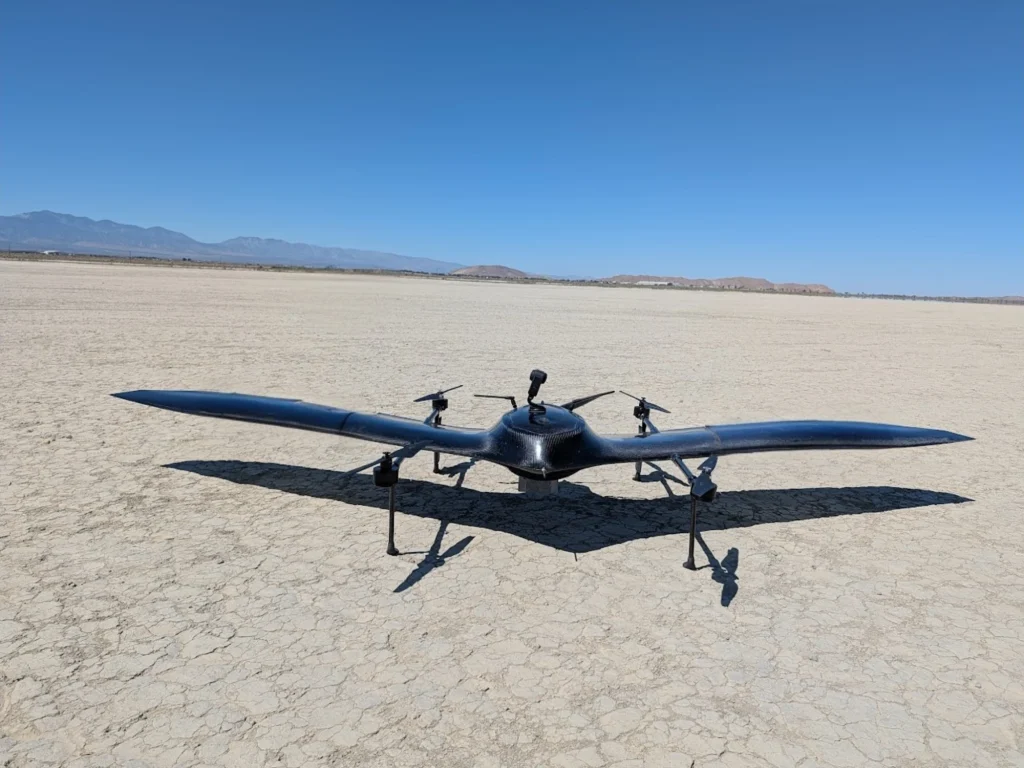
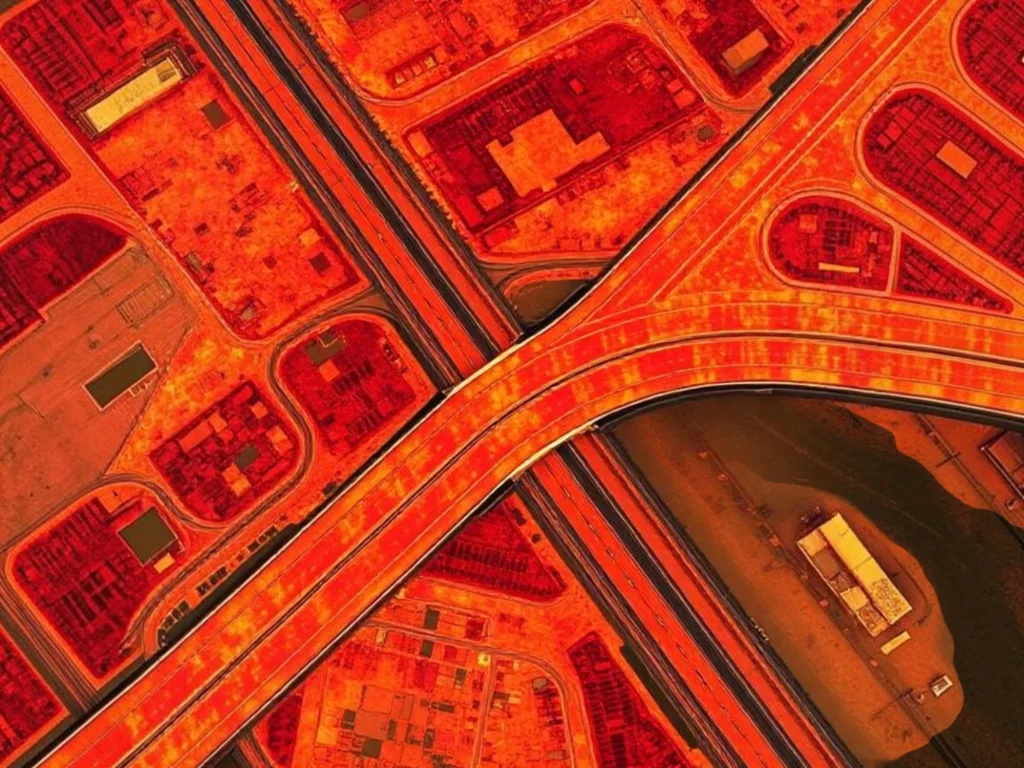
A drone inspection of the same bridge structure – deck, abutments, pier caps, and girder undersides – typically requires one to two operators, a fraction of the setup time, and in the majority of cases no lane closure at all. The drone flies from adjacent ground, approaches the structure from multiple angles including beneath the deck, and captures the same structural elements that a snooper truck crew would document, often in a single flight of under an hour.
The snooper truck hire disappears entirely. The traffic control budget drops to zero or near zero in most cases. And inspection throughput rises, because what limited a crew to one or two structures a day was the access equipment and the road space rather than the assessment itself.
The safety argument that changes the risk calculation
Lane closures don’t just cost money. They create risk – for the inspection crews working in proximity to live traffic, and for the road users navigating through or around the closure zone. OSHA data consistently shows that work zone incidents represent one of the leading causes of construction and inspection fatalities, and bridge inspectors working from snooper trucks or on foot adjacent to traffic are operating in exactly the environment those statistics describe.
From a risk management perspective, every lane closure that can be eliminated from an inspection program is a reduction in the exposure that produces those incidents. An inspector reviewing drone imagery from a safe ground position is not a worker in a work zone. That shift – from inspection as a high-risk field activity to inspection as a data review task – changes the liability profile of infrastructure inspection programs in ways that matter to the agencies and organizations running them, quite apart from the direct cost savings.
Where lane closures remain necessary
Honest accounting of drone inspection’s advantages requires acknowledging where the method has genuine limits. Some structural assessments still require physical access that drone platforms can’t provide remotely – tactile inspection of concrete surfaces, sounding for delamination, direct measurement of crack depth, and testing that requires physical contact with the material. National Bridge Inspection Standards in the United States require that a certified bridge inspector review and validate inspection findings, which means the drone is a data collection tool rather than a complete replacement for the qualified human review.
There are also structural geometries and environments where drone access is constrained. Confined spaces within box girder sections, tight clearances beneath low-profile deck structures, and environments with significant GPS signal degradation from surrounding steelwork can limit what a standard inspection drone can reach. The strongest inspection programs treat drone capability as the primary data collection method and reserve direct access for the specific elements and assessments that genuinely require it – rather than defaulting to lane closures and snooper trucks for an entire inspection because some portion of it might need them.
The shift in how inspection programs are budgeted
The financial argument for drone inspection doesn’t end with per-structure cost comparisons. It extends to how inspection frequency affects long-term maintenance economics. Traditional inspection programs are frequently constrained to minimum regulatory frequencies – two-year cycles for most NBIS-regulated bridges – not because less frequent inspection is ideal but because the direct cost of each inspection event, including lane closures and access equipment, limits how many inspections the budget can support.
Drone inspection changes that constraint. When the cost per inspection falls and lane closures are eliminated, the same budget sustains more frequent inspection. More frequent inspections mean earlier detection of deterioration, intervention at lower cost points on the condition curve, and fewer structures reaching the threshold failure conditions that drive emergency closures and unplanned reconstruction costs. The inspection program stops being a budget line that competes with maintenance spending and starts being the tool that optimizes it.
What this means for infrastructure owners planning ahead
The transition from lane-closure-dependent inspection to drone-primary inspection programs is already underway across transport authorities, departments of transportation, and infrastructure management organizations that have done the full cost accounting rather than the direct-cost-only version. The economics are sufficiently clear that the question for most infrastructure owners is no longer whether drone inspection delivers better value but how quickly the transition can be made and what the right hybrid model looks like for assets that still require some degree of direct access.
For infrastructure owners still running inspection programs built around lane closures as the default access method, the starting point is a straightforward audit: how much of the current inspection budget is being spent on traffic control, access equipment, and the logistics of managing road space rather than on actual structural assessment? In most cases, that figure is larger than expected – and it represents the clearest argument for a program structure that reserves lane closures for the inspections that genuinely need them, and uses drone platforms for everything else.