Ten Minutes to Stop a Wildfire: Reaching the XPRIZE Finals Together
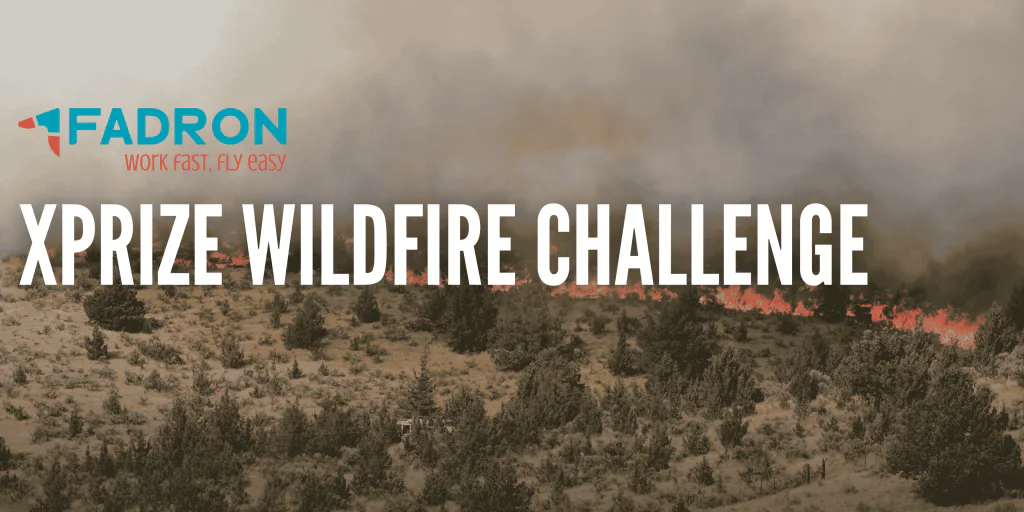
Wildfires are no longer rare or isolated events. Over the past few years, they have become one of the fastest-growing global risks, driven by climate change, prolonged droughts, and increasing pressure on natural ecosystems. Fires spread faster than ever before, often outpacing traditional detection and response methods. When minutes matter, hours are simply too late.
This reality is exactly why the XPRIZE Wildfire Autonomous Response Challenge exists and why reaching its finals is such a significant milestone.
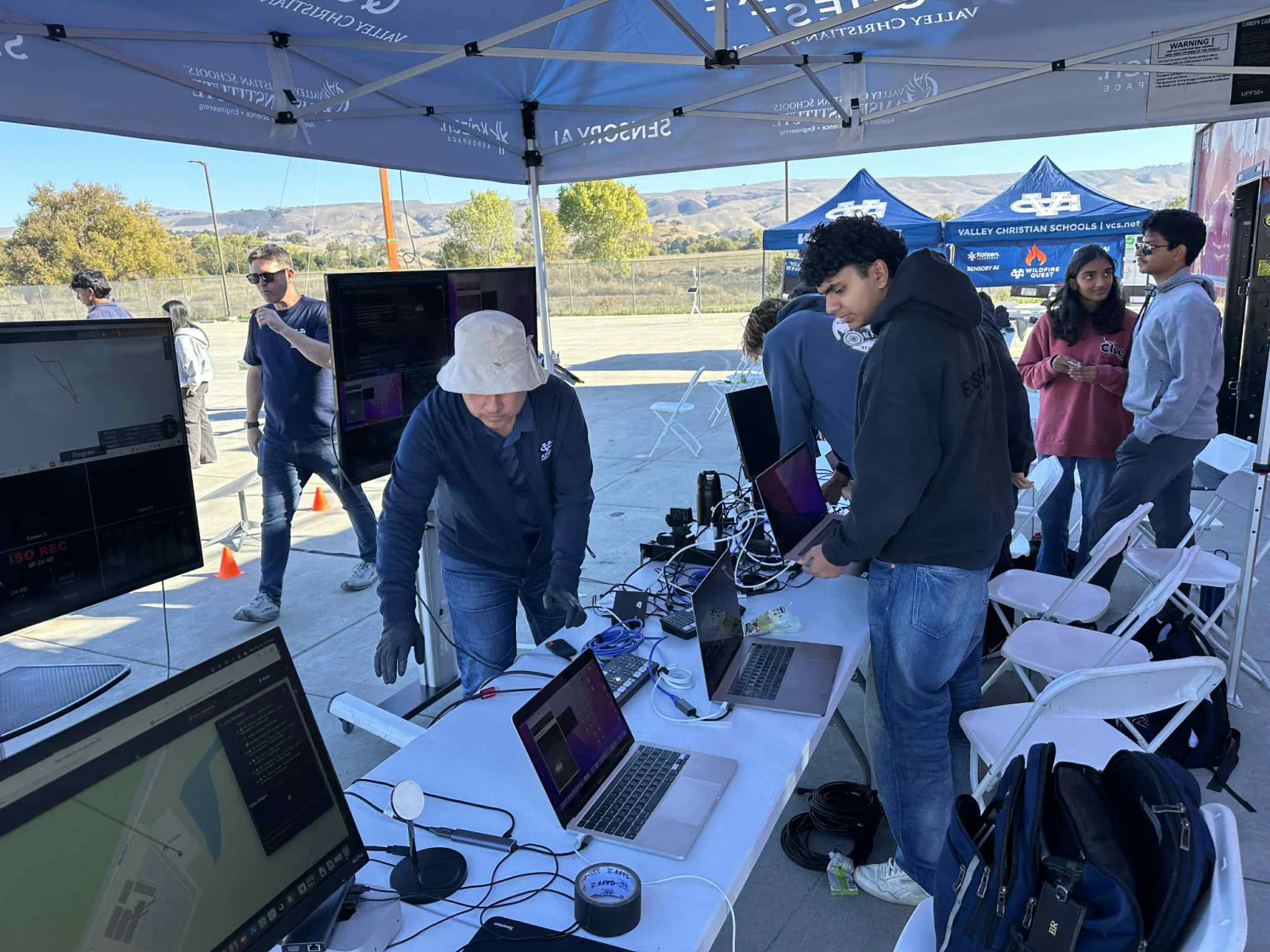
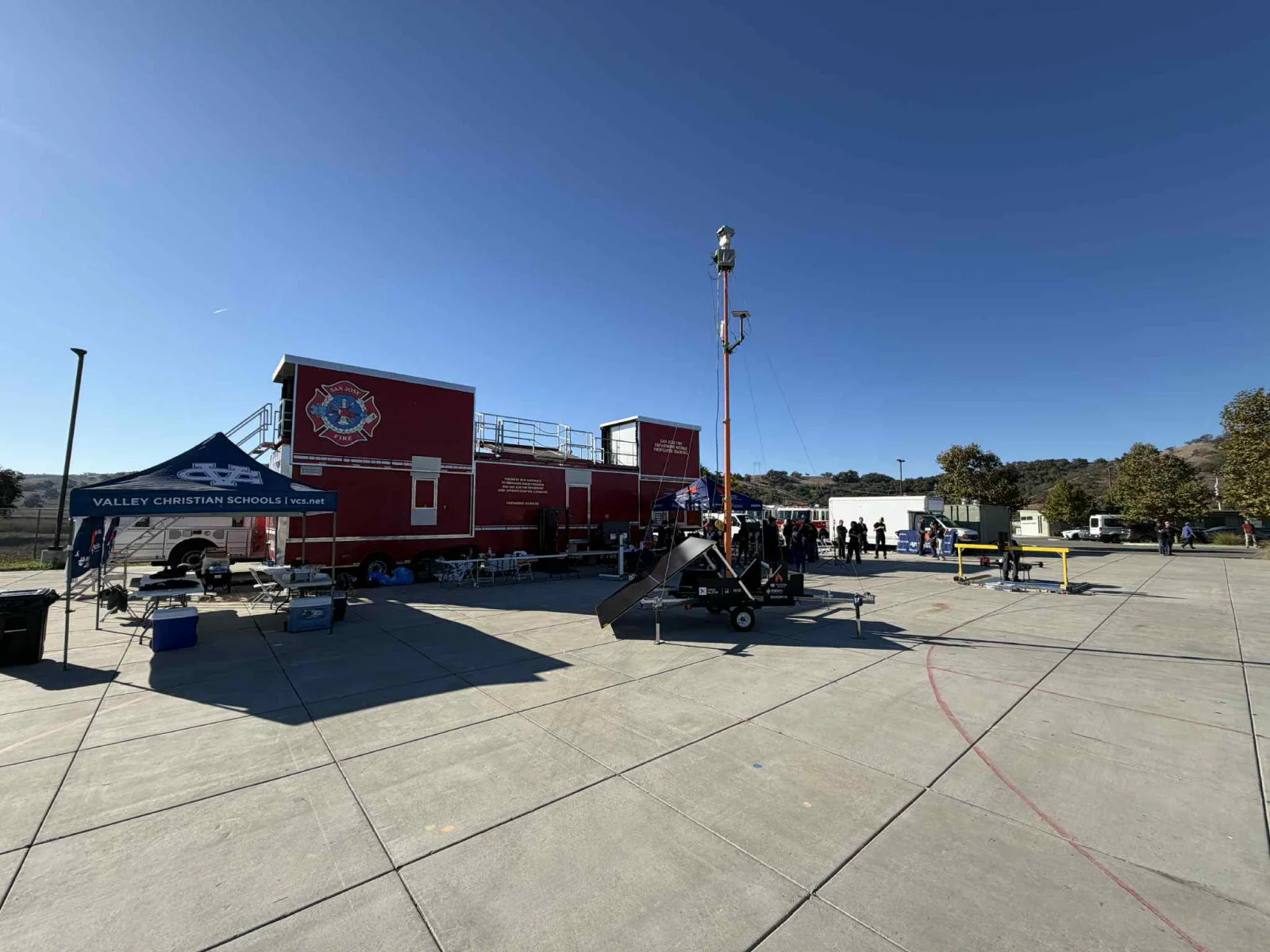
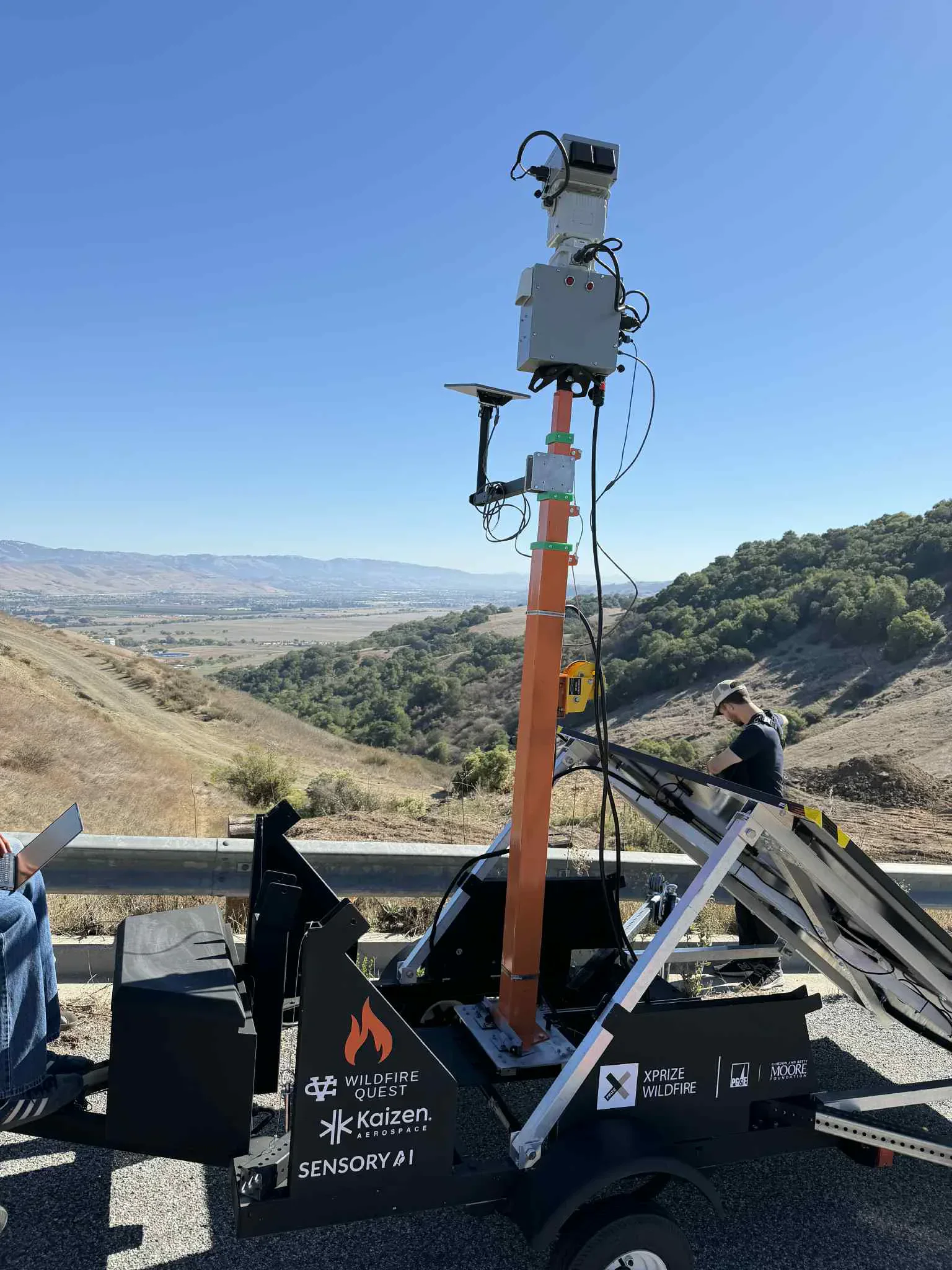
Out of thousands of teams worldwide, only five have advanced to the final stage of the competition. We are proud to be among them, supporting and working alongside a high-school-led team, Wildfire Quest, as they compete on the global stage.
Why This Final Matters
The XPRIZE Wildfire Challenge is not a research grant or a theoretical exercise. It is designed to push teams to prove that autonomous systems can operate at a scale and speed that actually changes outcomes in the real world.
The objective is deliberately extreme:
to autonomously detect and suppress a high-risk wildfire across 1,000 square kilometers in under 10 minutes.
No remote operators. No controlled lab environment. The final validation will take place during live field testing in Alaska, one of the most demanding environments imaginable for wildfire operations.
Reaching this stage already means that the systems being built are considered credible, scalable, and relevant by independent judges. Doing so while supporting a high-school-led team makes this achievement even more exceptional.
Supporting the Next Generation at the Highest Level
One of the most inspiring aspects of this journey has been working with a team led by students who are competing at the very highest technical level.
Wildfire Quest is the only educational team to reach the finals. They are not there because of special rules or reduced requirements. They are there because their system works and because it convinced expert evaluators that it can scale.
At Fadron, we are proud to support this team not as observers, but as active contributors. The collaboration is built on shared engineering work, system design, and a common belief that meaningful innovation can come from unexpected places when ambition meets discipline.
This is what modern deep tech looks like: experience and fresh thinking working together under real-world constraints.
From Point Solutions to End-to-End Systems
A key reason the XPRIZE Wildfire Challenge is so difficult is that it explicitly rejects partial solutions. Success does not come from having the best drone, the best algorithm, or the best sensor in isolation.
Wildfire response at scale requires integrated systems:
Early detection before fires become unmanageable
Accurate localization across vast territories
Autonomous decision-making under uncertainty
Rapid deployment of suppression assets
Safe operation in dynamic, hazardous conditions
Every link in this chain matters. Weakness in any one of them breaks the entire system.
This systems-level thinking is central to our work.
Our Contribution and Technical Focus
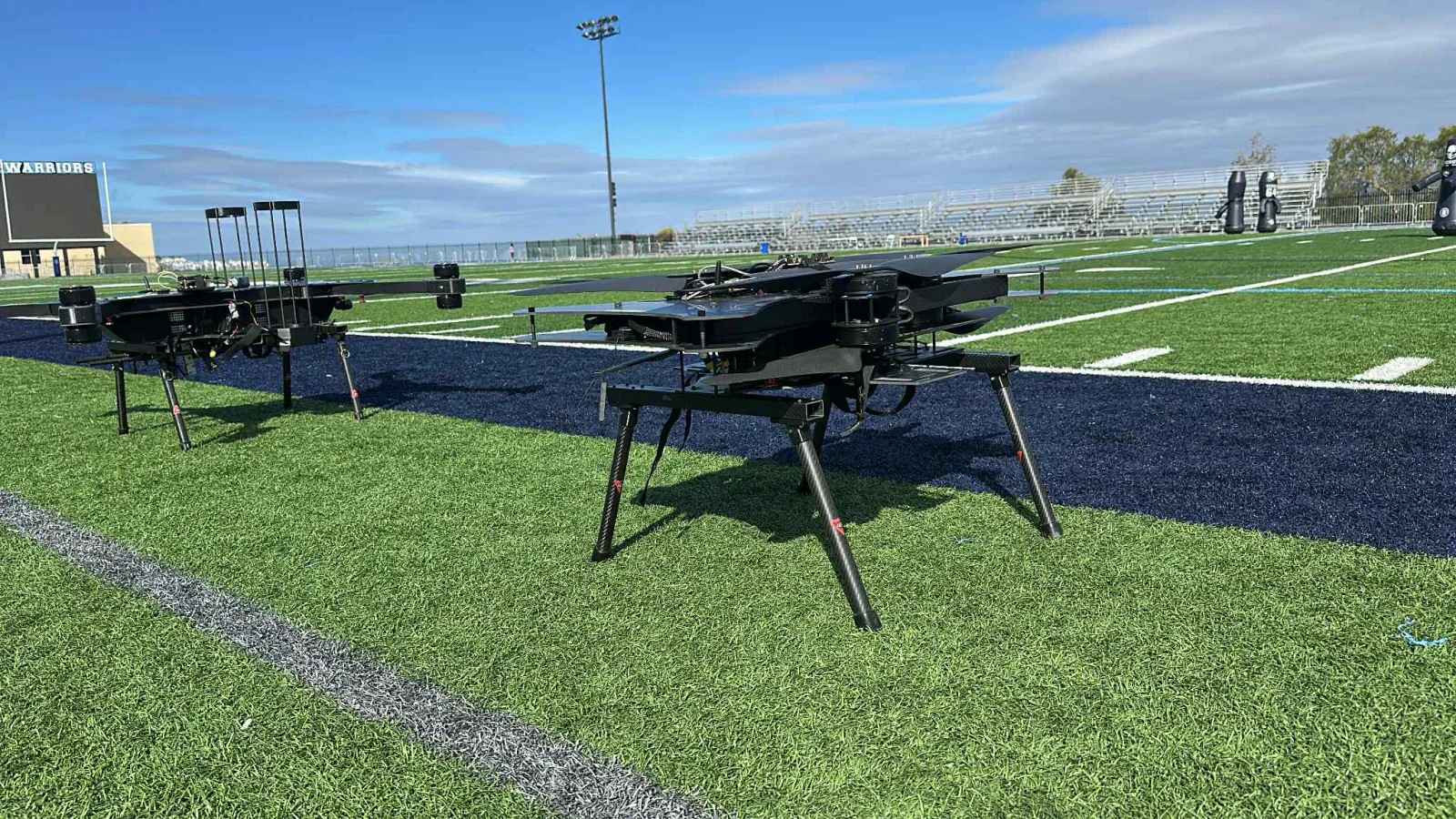
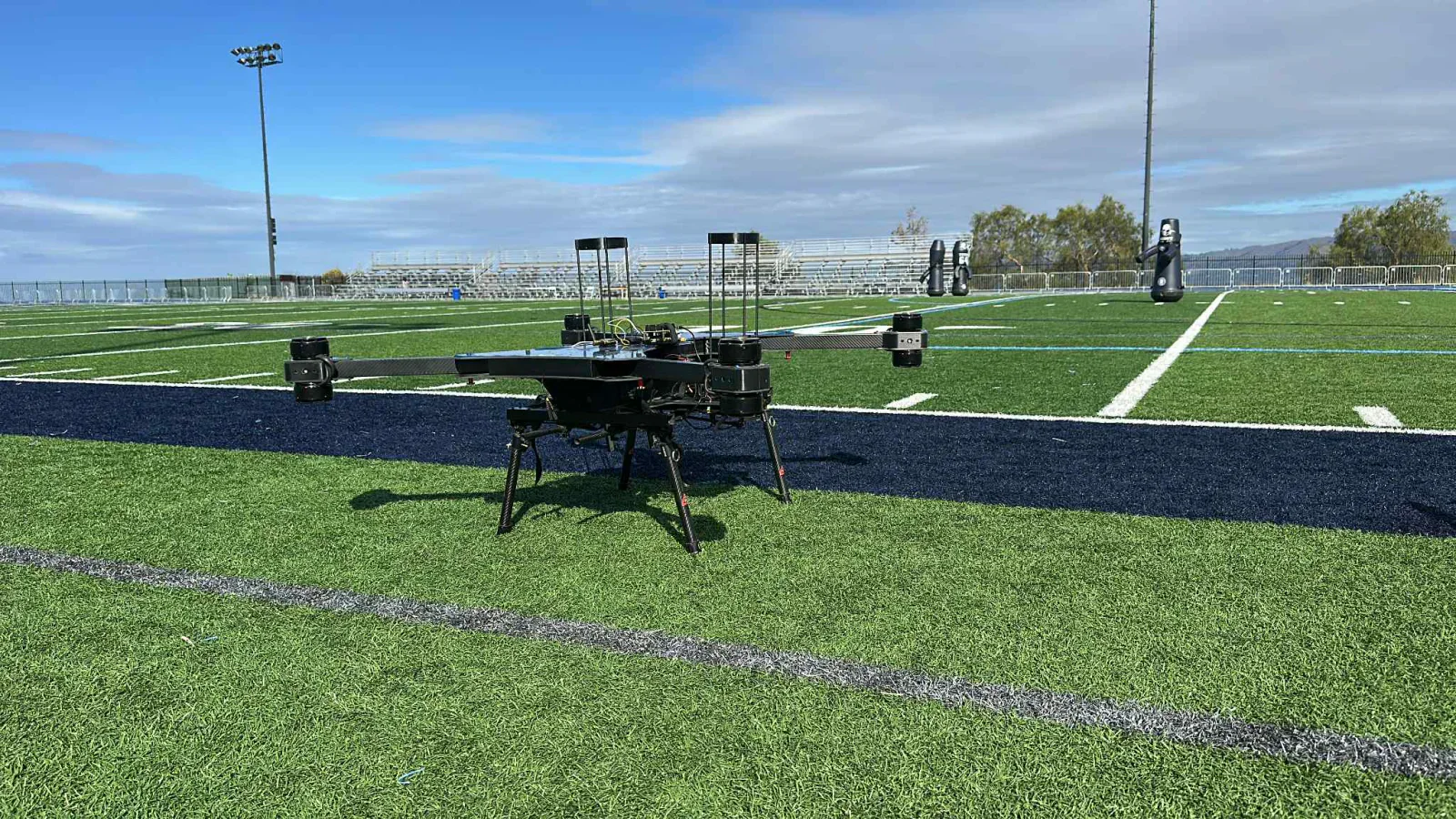
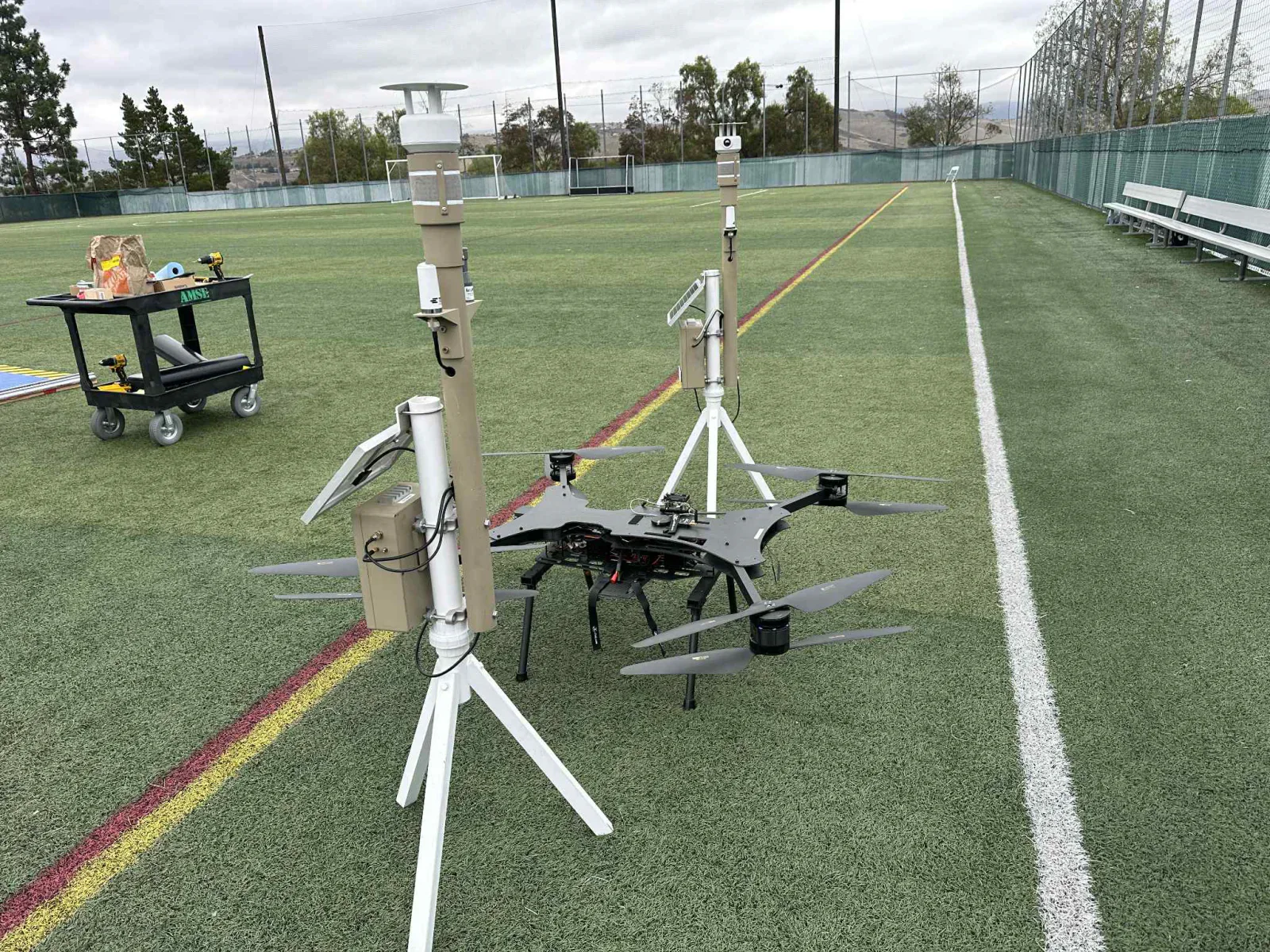
Within the Wildfire Quest team, Fadron focuses on helping build a complete, scalable, drone-based wildfire response system designed for operational use.
Our work spans several tightly connected areas.
Early fire detection at distance
We are developing AI-driven methods capable of identifying early fire signals from tens of kilometers away. This includes detecting subtle smoke signatures, thermal patterns, and environmental indicators that precede rapid fire growth. The goal is not just to see fires, but to see them early enough to matter.
Autonomous aerial response
Detection without action changes nothing. Autonomous aerial systems allow persistent monitoring, rapid redeployment, and operation in conditions where piloted aircraft may be delayed, limited, or unsafe.
Meaningful suppression capability
Detection is not suppression. Moving from watching a fire to acting on one is a payload problem, and it is the part that decides whether autonomy changes an outcome or merely reports it sooner. It is also where the hardest engineering still sits.
What ties all of this together is integration. Algorithms, aircraft, autonomy, and suppression mechanisms must be designed as a single system, not assembled after the fact.
Why Alaska Is the Right Test
Alaska was chosen as the final test site for a reason.
Wildfires there often occur far from infrastructure, with limited connectivity, unpredictable weather, and long response times. These conditions expose every assumption teams make about autonomy, reliability, and logistics.
For us, this is not a drawback. It is the point.
Field testing in Alaska forces systems to confront reality: incomplete data, mechanical stress, communication constraints, and real fire behavior. It is where theoretical performance meets operational truth.
More Than a Competition
While the XPRIZE format is competitive, the broader goal is not about winning a prize. It is about accelerating the transition from research prototypes to deployable capability.
Wildfires are a global problem, and no single organization or technology will solve them alone. What is needed is a new generation of tools that operate faster than fires spread and that can work alongside existing firefighting efforts to reduce risk and improve safety.
Supporting a high-school-led team at this level reinforces a powerful idea: with the right support, mentorship, and ambition, world-class innovation can come from anywhere.
Looking Ahead to the Finals
In June, we will travel to Alaska with the Wildfire Quest team for the final field trials.
There will be challenges. Systems will be pushed beyond comfort zones. Some things will fail before they work. That is the nature of operating at the frontier.
What matters is that autonomous wildfire response is no longer a distant concept. It is being tested, measured, and validated under real conditions.
Reaching the finals is a milestone. What comes next is the work of turning this progress into real-world impact.
We are proud to be part of this journey and to support a team proving that the next generation can compete and lead at the highest level.