A High School Made the $11M XPRIZE Wildfire Finals. Fadron Wrote the Autonomy.
XPRIZE named five finalists in Track B of the $11 million XPRIZE Wildfire competition, Autonomous Wildfire Response, from a field of hundreds. Four of them are companies. Anduril is one of the four.
The fifth is Wildfire Quest, Valley Christian High School's team. Fadron is part of it, and we wrote its autonomy.
There is no student division
One finalist list. One set of criteria. One panel deciding which systems were credible enough to take into the field, with no allowance anywhere in it for the ages of the people who built them. A team of high school students was measured against companies that exist to do this, and it was still on the list when the list got short.
What Fadron built, and what we did not
Fadron is not the finalist. Wildfire Quest is, and the team is larger than any one company in it. Our part is the software: real-time fire detection, suppression logic, communications, and coordination across multiple aircraft, run from a single mission control.
Detection is the part everyone pictures. Coordination is the part that decides whether anything gets put out. A fire does not wait while a pilot is found and briefed, and it does not hold still while three aircraft take turns asking a human what to do next. The software has to see the fire, pick the aircraft that goes, keep the others clear of it, and keep doing that while the wind turns and the link drops.
That is the problem we took.
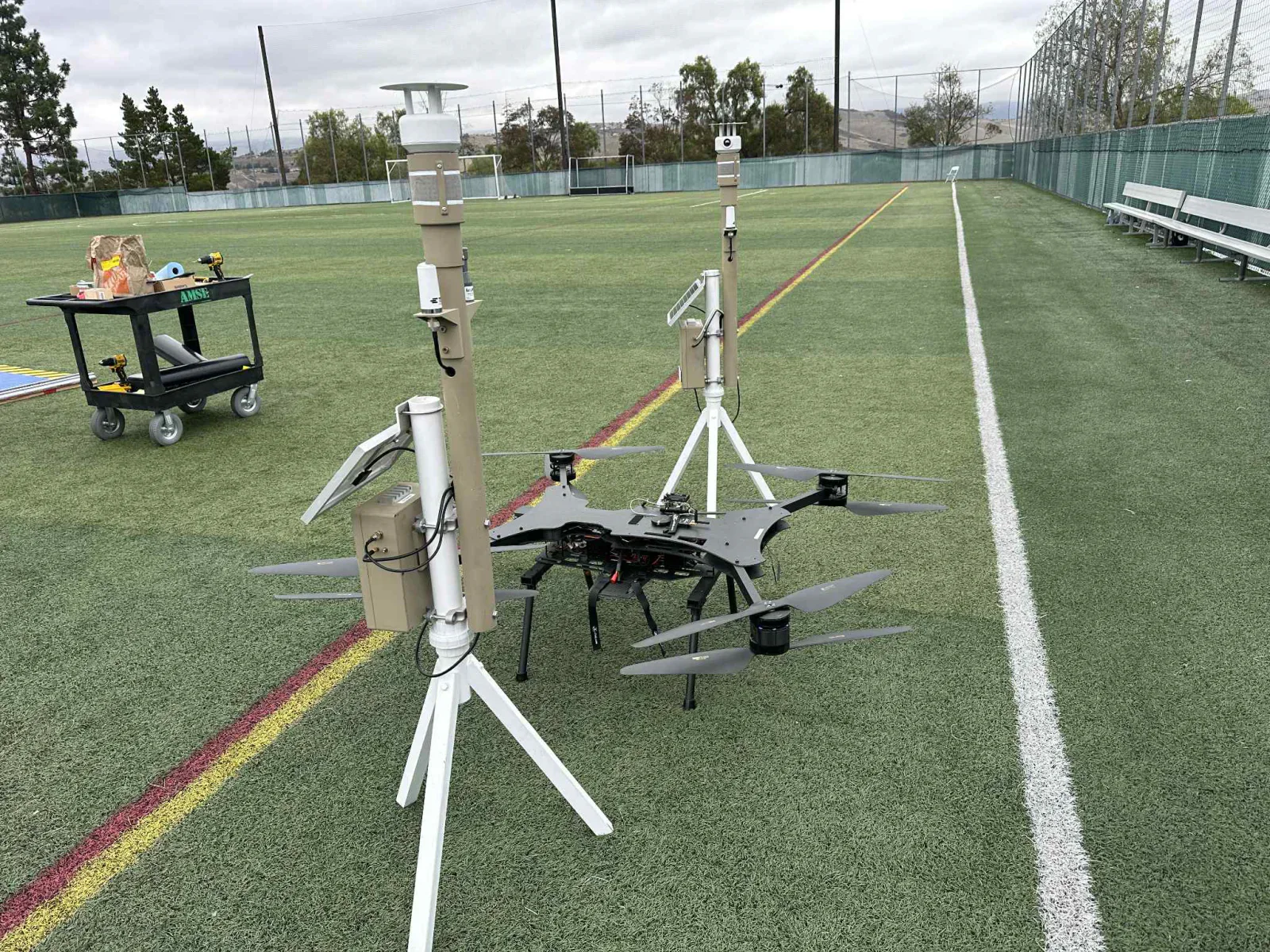
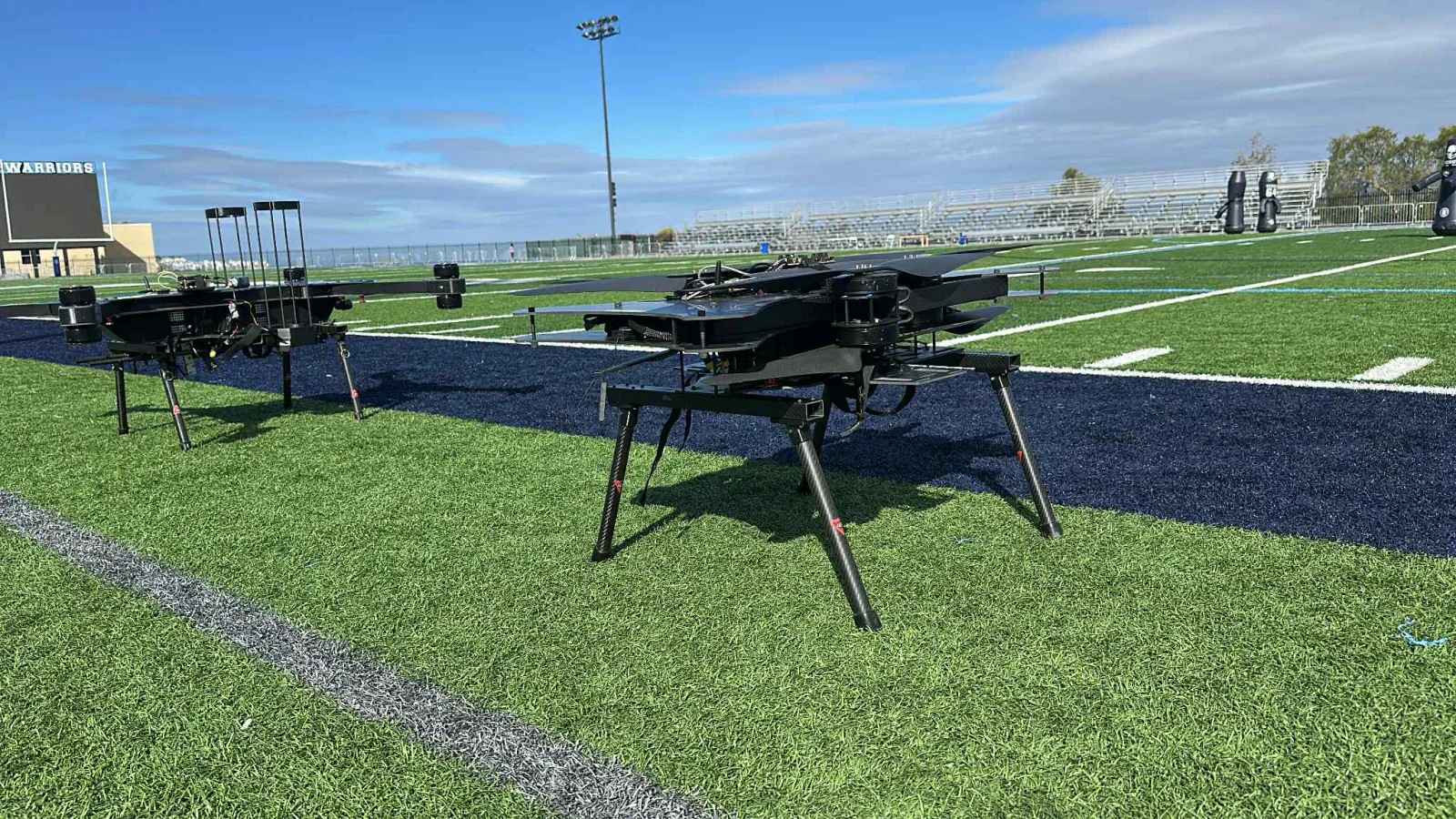
On the ground for finals testing
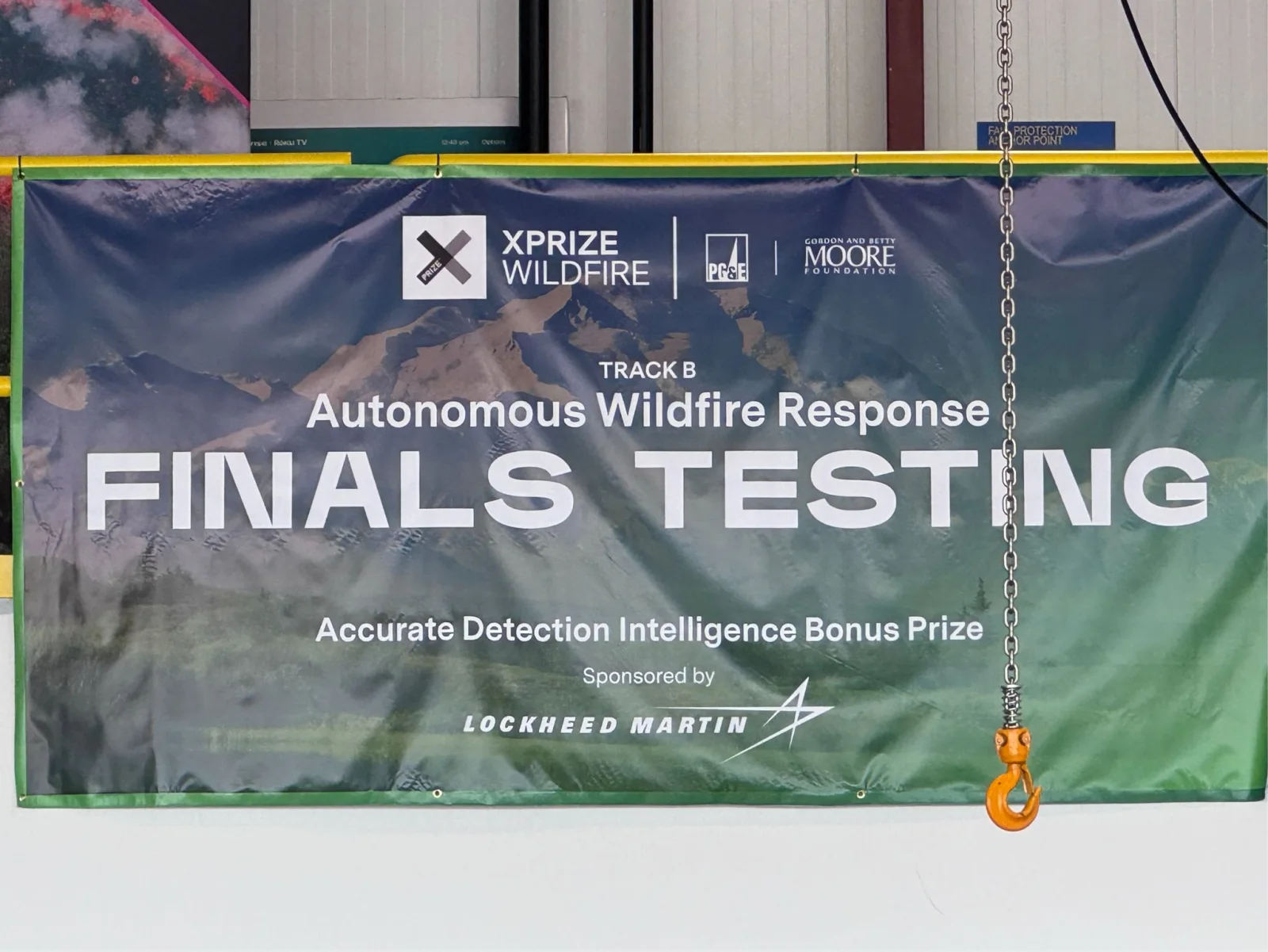
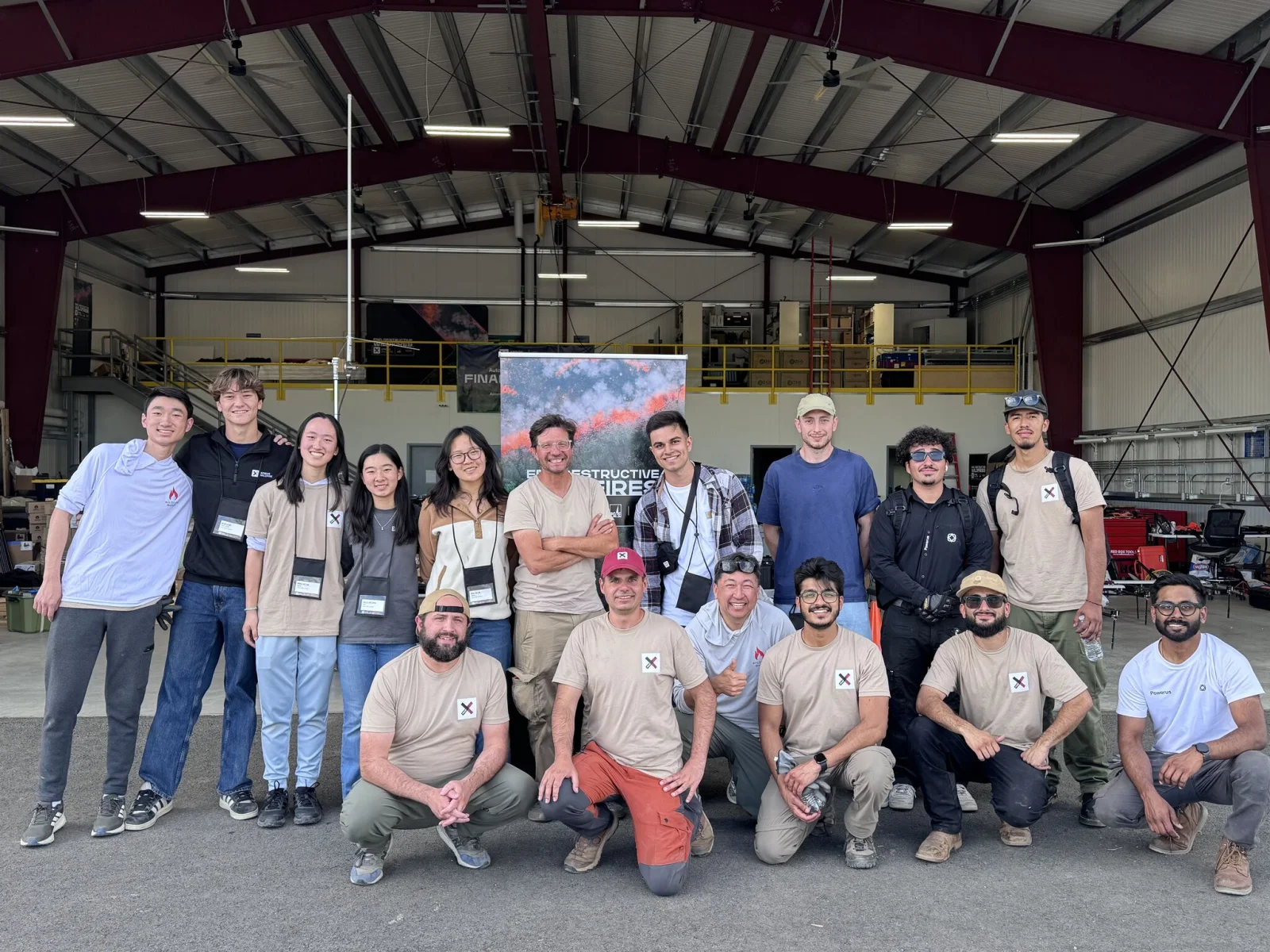
XPRIZE announced the Track B finalists on 29 January 2026. Finals testing followed, in the field rather than in simulation, which is where autonomy stops being a slide. Fadron engineers were on site for it.
Why an inspection company writes wildfire autonomy
Fadron sells long-range aircraft and pavement analysis, not firefighting systems. What connects them is the layer underneath both. We write our own flight code and our own detection models, in house, for hardware we build ourselves. Wildfire response is that same layer under the worst conditions we could find, in front of judges with no reason to be generous.
Autonomy is the easiest claim in this industry to make. Having it judged is the hard part.
If you are buying autonomy, that is the question worth asking: who judged it, and against what. See what we build for defense and government programs.