The Impact of Regulatory Changes on the UAV Industry in 2024
The UAV industry has grown tremendously in the past decade, mainly due to technological advancements. We now have drones with technology applicable to various sectors, from delivery and defense to agricultural applications.
However, regulatory restrictions have hindered the adoption of these technologies. However, the relevant regulatory bodies have been working to make these regulations more accommodating for drone technology.
Let’s look at what impact the recent regulatory changes in 2024 have had on the UAV industry.
Certification Requirements
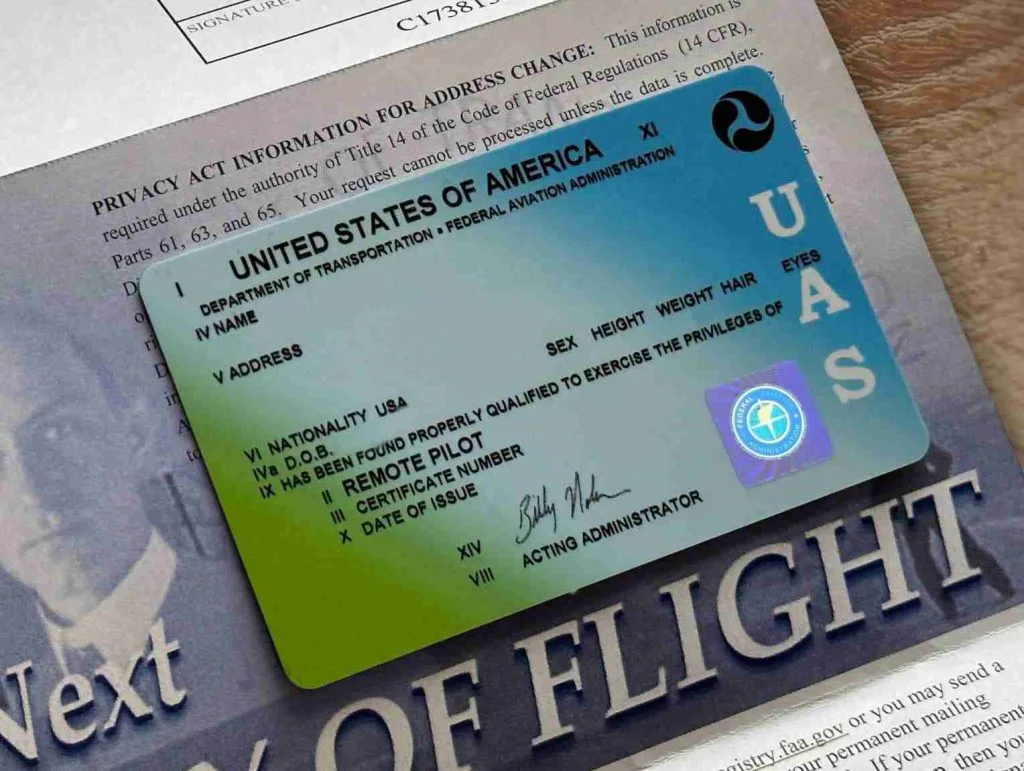
As mentioned, drones are finding use cases in several industries. And what most industries are known for is you need some certification or licensing to be qualified. For instance, for a map to be usable, it must be approved by a licensed surveyor, commercial agricultural sprayers must be certified, and aircraft must meet various specifications to carry specific types of cargo.
2024 has seen such certifications appear in the UAV industry, allowing them to be adopted in these industries. For instance, recent regulations in the United States require UAS pilots to meet the same requirements as other commercial operators, which ensures they know how to handle the chemicals.
Stricter Safety and Privacy Regulations
With drones being used for surveillance and mapping and with some drone companies collecting users’ data, various regulatory bodies are coming up with regulations that protect users and those affected by drone operations. For instance, the FAA has required all drones to have a broadcasted remote ID. This ensures that the operator can be identified if the drone is involved in irregular activities. Due to the stricter privacy regulations and some concerns that people had with DJI drones, DJI has been forced to disable the syncing of flight logs. Limitations on flight altitude and drone weight ensure safer operations.
Adoption of Commercial Drone Delivery
Recently, the FAA has approved several drone delivery companies, such as Amazon’s Prime, Wing, Zipline, and DroneUp, to operate beyond the Visual Line of Sight, allowing drone deliveries to become possible over a wider area. Thanks to this, retailers like Walmart are embracing drone technology to deliver products ranging from coffee to prescription medicine.
Technological Advancements
Drone manufacturers have had to adapt to comply with the various regulations. For instance, drone companies had to figure out how to include the Remote ID. Drone companies like DJI also enforce Geo-Fencing, which prevents drones from flying in restricted airspaces unless they get the necessary approval. Drone companies are also developing advanced collision avoidance systems, advanced emergency features, and autonomous flight capabilities to enhance safety.
Market Growth
With UAVs being required to meet the same requirements as the older technologies, more people will embrace them in their workflow, increasing the demand for UAS systems and their components. Besides, the more accommodative regulations become for UAVs, the more people will use them.
Conclusion
The latest regulatory changes aim to ensure the safer operation of UAV systems. As a result, we are seeing technological advancements to comply with these regulations, and drones are now being accepted in more industries, which leads to overall market growth. However, this is only just the beginning. Better regulatory frameworks in the future could lead to even more growth in the UAV industry.