Why VTOL Drones?
The rapid advancement of drone technology has led to the development of various drone types, each with its unique set of capabilities. Among these, Vertical Takeoff and Landing (VTOL) drones stand out for their versatility and efficiency. This blog post explores why VTOL drones are becoming increasingly popular and the key benefits they offer across different industries.
Understanding VTOL Drones
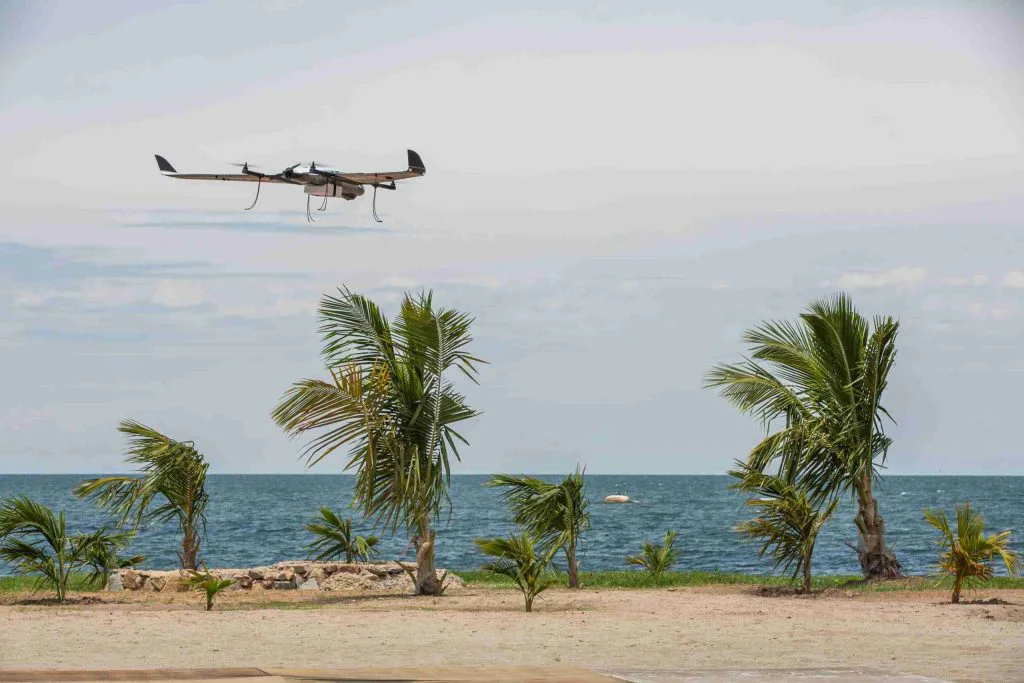
VTOL drones are unmanned aerial vehicles (UAVs) capable of taking off, hovering, and landing vertically, much like helicopters. They combine the advantages of fixed-wing drones and multi-rotor drones, making them incredibly versatile. A typical VTOL drone can transition between vertical flight and horizontal flight, allowing it to operate in various environments and conditions.
Key Features of VTOL Drones
- Versatility: VTOL drones can operate in confined spaces where traditional fixed-wing drones cannot, thanks to their vertical takeoff and landing capabilities. This makes them suitable for urban areas, forests, and other environments with limited open space.
- Efficiency: While in horizontal flight mode, VTOL drones exhibit the energy efficiency of fixed-wing drones, enabling them to cover large distances and remain airborne for extended periods. This dual capability enhances their operational efficiency.
- Stability: VTOL drones can hover in place like multi-rotor drones, providing stable platforms for data collection, photography, and surveillance.
Advantages of VTOL Drones
- No Runway Required: One of the most significant advantages of VTOL drones is their ability to take off and land vertically. This eliminates the need for runways or large open spaces, allowing them to operate from virtually any location.
- Extended Range and Endurance: In horizontal flight, VTOL drones benefit from the aerodynamics of fixed-wing drones, enabling longer flight times and greater distances compared to traditional multi-rotor drones.
- Operational Flexibility: VTOL drones can quickly transition between vertical and horizontal flight modes, making them adaptable to various mission requirements, from detailed inspections to wide-area surveys.
- Improved Safety: The ability to hover and perform vertical takeoffs and landings enhances safety, especially in emergency situations or challenging environments.
Applications of VTOL Drones
VTOL drones are being adopted across numerous industries due to their unique capabilities:
- Agriculture: Farmers use VTOL drones for precision agriculture, crop monitoring, and spraying, taking advantage of their ability to cover large fields efficiently while also accessing difficult-to-reach areas.
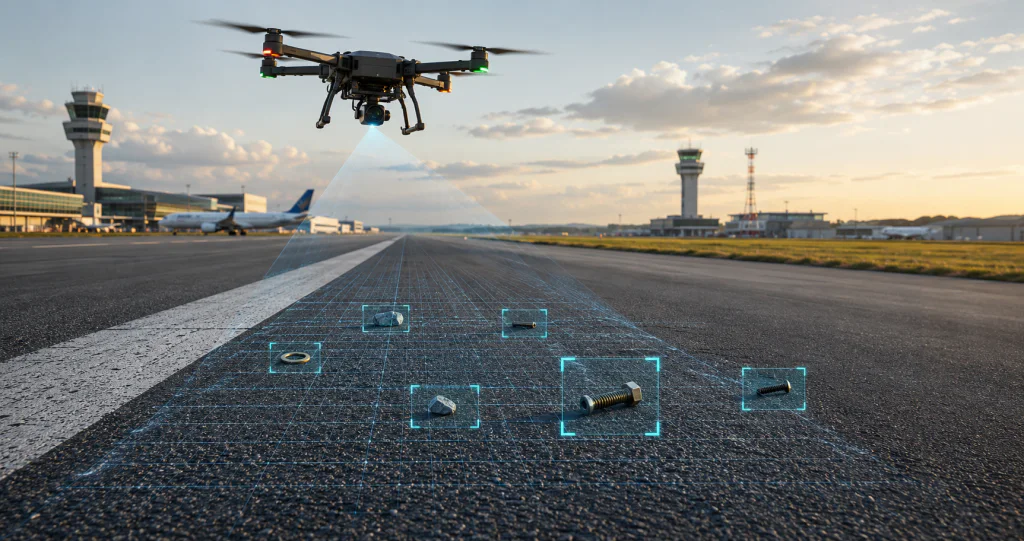
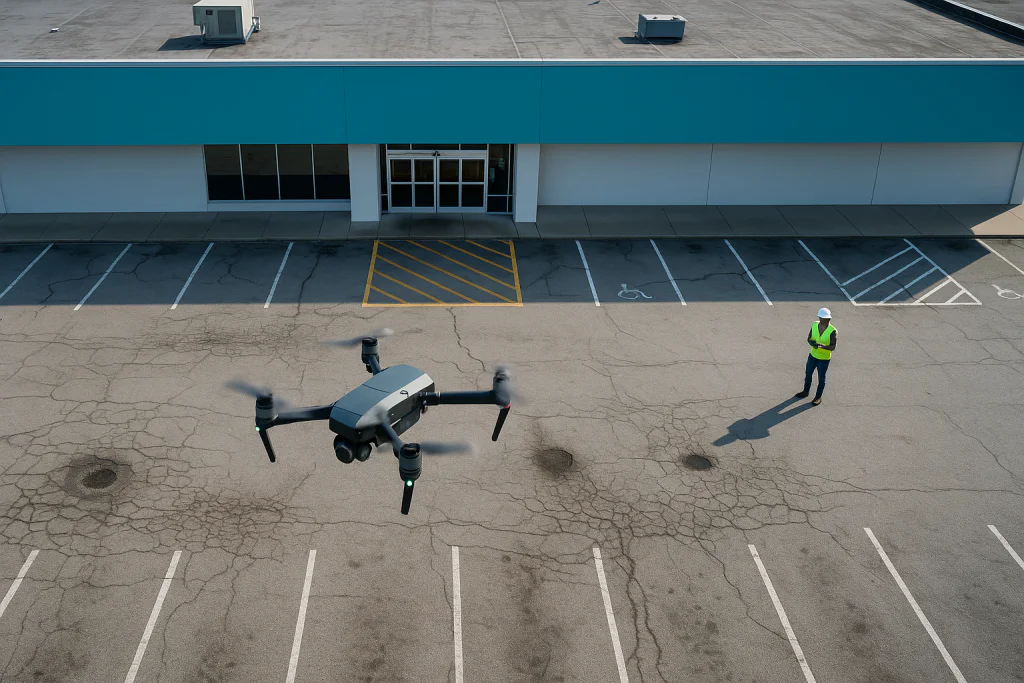
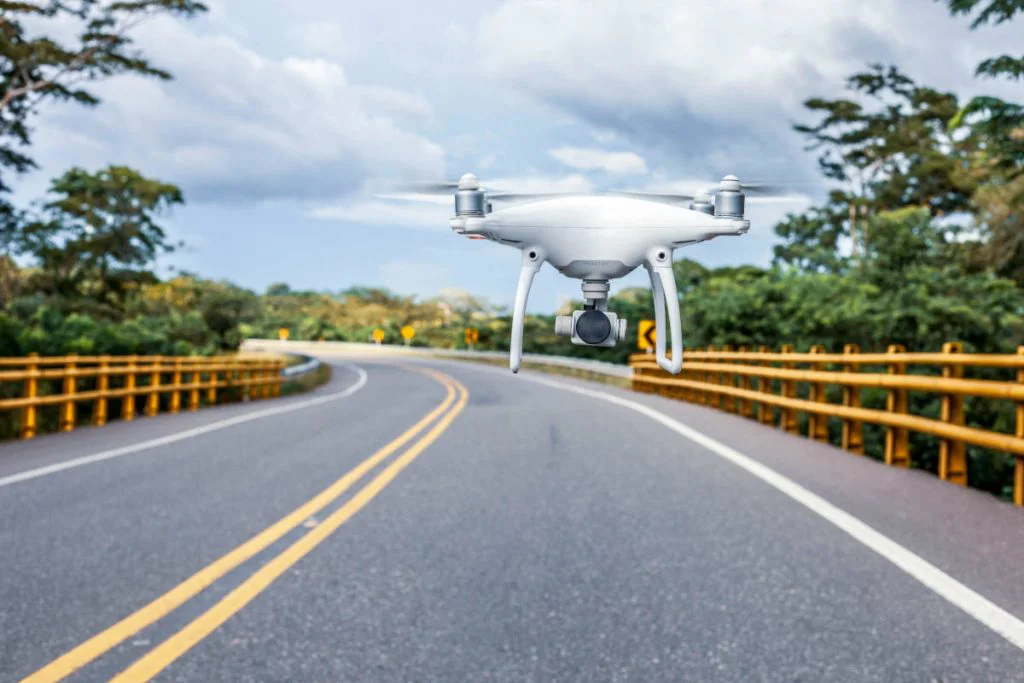
- Infrastructure Inspection: VTOL drones are ideal for inspecting infrastructure such as bridges, power lines, and pipelines. Their ability to hover allows for close-up inspections, while their extended range enables coverage of extensive networks.
- Environmental Monitoring: These drones are used to monitor wildlife, assess environmental damage, and track changes in ecosystems over large areas, providing comprehensive data for conservation efforts.
- Disaster Response: In the aftermath of natural disasters, VTOL drones can quickly assess damage, locate survivors, and deliver supplies, operating effectively in both urban and remote areas.
- Surveying and Mapping: VTOL drones are utilized for creating detailed maps and conducting land surveys, combining the precision of hovering with the efficiency of long-distance flight.
Challenges and Considerations
While VTOL drones offer numerous advantages, they also present certain challenges:
- Complexity: VTOL drones are generally more complex than standard fixed-wing or multi-rotor drones, requiring more sophisticated control systems and pilot training.
- Cost: The advanced technology and versatility of VTOL drones can lead to higher costs compared to traditional drones.
- Maintenance: The complexity of VTOL systems may result in increased maintenance requirements and costs over time.
Conclusion
VTOL drones represent a significant advancement in UAV technology, offering unparalleled versatility and efficiency. Their ability to take off and land vertically, combined with the extended range and endurance of fixed-wing flight, makes them suitable for a wide range of applications. As technology continues to evolve, VTOL drones are poised to become even more integral to industries such as agriculture, infrastructure inspection, environmental monitoring, and disaster response.
The growing popularity of VTOL drones is a testament to their unique capabilities and the innovative solutions they bring to complex challenges. Whether you are looking to improve agricultural productivity, ensure the integrity of critical infrastructure, or respond to emergencies more effectively, VTOL drones offer a powerful tool to help achieve your goals. As we continue to explore the potential of these versatile UAVs, VTOL drones will undoubtedly play a crucial role in shaping the future of various industries.